The programme
A new chapter. A new direction. It's time to talk about sex.
A structured six-month programme for men whose relationship with sex has become a source of conflict, secrecy or shame. We find that most men in this situation say the same thing. Something reached a tipping point. The behaviour that used to help is now costing more than it gives. Two phases. Small groups. Up to 100 free places. Clinically led by Dr Michael Yates.
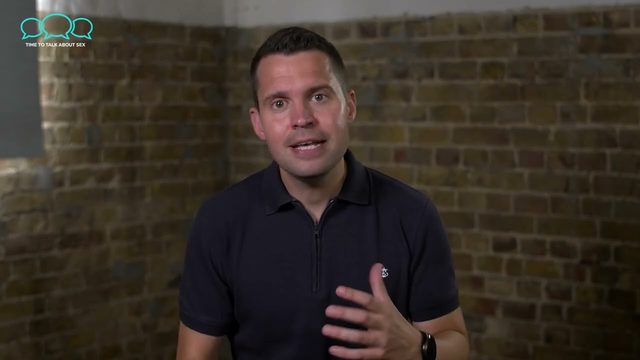
Hear from Dr Michael Yates.
This video is a little longer, and worth the time. He talks you through the programme and how it can help you make real, lasting change.
Dr Michael Yates, Clinical Psychologist and Psychosexual Specialist
The programme
Two phases. One sustained change.
The programme runs across twenty-four weeks, in two phases.
New Chapter, weeks 1 to 12
New Direction, weeks 13 to 24
A short consolidation break sits between them.
The approach is compassion-focused, not an addiction model. There are no twelve steps, no labels, and no requirement to abstain from sex. The goal is to help you understand why the behaviour developed and to change your relationship with it.
Each group is small, up to ten men, so everyone has the space to take part fully. The programme is open to gay, straight and bisexual men, with groups organised by sexual orientation so participants work alongside others whose experiences are most similar to their own. The evidence and clinical experience both point to better outcomes when the group is matched in this way.
Practicalities
Format and logistics.
Weekly sessions
A two-hour group therapy session each week, with the same men from start to finish.
Up to ten men
Small enough for depth. Large enough for the diversity of experience that makes group work powerful. Groups are carefully put together.
In-person or online
In-person in London, with Brighton, Essex, Suffolk and Manchester subject to demand. Online for men anywhere in the UK.
Clinically led
Facilitated by Dr Michael Yates and other highly trained psychologists and therapists, with specialist expertise in compulsive sexual behaviour, drawing on the most up to date research in this field.
The weekly rhythm
How the week is structured.
The programme meets once a week for twenty-four weeks, for a two-hour group therapy session. Between sessions, you will have practical exercises to work on. Where it may help, we may also suggest other sources of support, such as free groups run by charities and other organisations.
Programme 1, Weeks 1 to 12
New Chapter.
New Chapter is where the work begins. The group forms, safety builds, and men start to see their own patterns clearly, many for the first time. In the early weeks the focus is on understanding: the cycle of shame and behaviour, and how shame and self-criticism keep the behaviour going rather than stopping it. You also learn the compassion-focused approach that the rest of the programme builds on. As the weeks progress, the work deepens, moving into the emotional and relational drivers that sit underneath the behaviour. By the end of the twelve weeks most men have begun to change their relationship with the behaviour. A short consolidation break follows before Programme 2 begins.
Foundation
Weeks 1 to 4
Building trust in the group, learning the compassion-focused approach, and starting to understand your own patterns.
Deepening
Weeks 5 to 8
Working with emotional triggers, what drives the behaviour, and patterns in your relationships. Compassion-focused exercises address the shame and self-criticism that fuel the cycle.
Consolidation
Weeks 9 to 12
Bringing together what you've learned, building practical stabilisation skills, and beginning to change your relationship with the behaviour.
Programme 2, Weeks 13 to 24
New Direction.
Programme 2 builds on what you've already done. With the group reformed after the consolidation break, the work moves into deeper territory: identity, intimacy, and what a healthy sexual life actually looks like for you. This phase addresses questions Programme 1 doesn't have space for. How the behaviour has shaped how you see yourself. How it has affected your relationships. What it would mean to have a sexual life that feels genuinely yours, driven by desire rather than compulsion. For men who have been through periods of drugs and sex or high-risk behaviour, this phase is a chance to think about what a satisfying sober sex life could look like. The aim is not to stop having sex, but to rebuild it on your own terms. By the end of the twelve weeks, men have a personal plan for sustaining change, grounded in self-knowledge rather than willpower.
Rebuilding a sex life
Weeks 13 to 16
What does a healthy sex life actually look like for you? Sober sex, intimacy after compulsive behaviour, and rebuilding a relationship with sex that feels like yours.
Identity and relationships
Weeks 17 to 20
Exploring how the behaviour has shaped your sense of self and your relationships. Working with patterns of intimacy, avoidance, and connection.
Sustaining change
Weeks 21 to 24
Consolidating the whole arc. Building the understanding, the skills, and the network to maintain change beyond the programme.
Explore the programme through video.
Three films from Dr Michael Yates, each on its own page.
Up to 100 free places. Confidential. Clinically led.
The CIC is fully funded for up to 100 free places. Places are limited and not everyone who applies will be offered a place. The first step is a short application, followed by a confidential conversation with Dr Michael Yates or our clinical team.