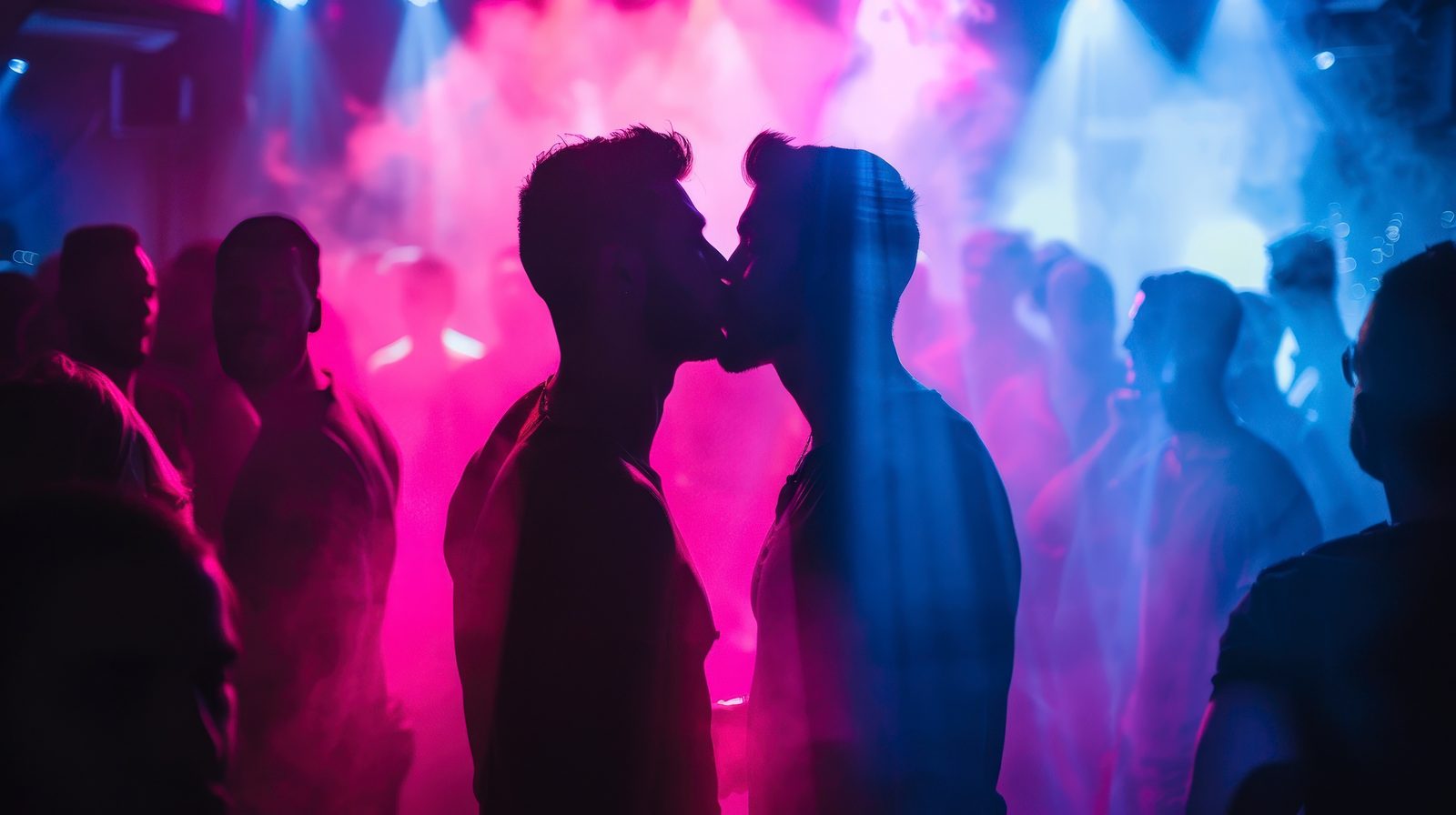
Saunas, chillouts and the gay sex scene
I want to be honest from the outset about what this piece is and what it is not.

Published
I want to be honest from the outset about what this piece is and what it is not.
It is not a clinical warning about gay sexual venues. It is not a list of reasons to avoid the scene. The men I work with have heard plenty of those, and the effect is almost always to produce shame rather than change, which as I explain elsewhere in this series is precisely the wrong outcome clinically.
What this piece is, is an attempt to describe these spaces honestly, including what they genuinely offer, why they matter in the specific context of gay and bisexual male life, and what happens, for some men, when the relationship with them shifts from chosen to compulsive. That shift is not inevitable. It does not happen to every man who uses these spaces. But for the men it does happen to, understanding it clearly is the beginning of being able to do something about it.
What saunas actually are
Gay saunas are sexual venues operating legally in the UK and across most of Europe, providing facilities for gay and bisexual men to meet and have sex. They are not underground. They are not shameful in themselves. They have been part of gay male culture for decades, providing something that mainstream culture has never consistently provided: a space where same-sex desire is not only permitted but expected, where the ordinary performance of being something acceptable can be set aside, where men can be sexual with other men without negotiation or explanation.
For men who came of age before the internet changed the landscape of gay social life, saunas were often one of the primary available routes to other gay men. They carried cultural significance beyond their immediate sexual function. They were community, in the particular sense that gay men have always had to construct their own forms of community in the spaces that were available to them.
That history matters. Dismissing saunas as simply venues for risky sex is historically illiterate and clinically counterproductive. Understanding what they have provided is part of understanding what the men who use them are looking for.
What chillouts are
Chillouts are home-based sexual gatherings, usually involving drugs, most commonly crystal methamphetamine, mephedrone and GHB or GBL. They typically begin with a smaller number of men and may expand as the session progresses, sometimes running across an entire weekend. They are arranged through apps, through networks of contacts within the chemsex scene, and increasingly through group messaging channels.
Chillouts occupy a different position in gay sexual culture from saunas. They are more intimate, at least in the sense that they happen in private domestic spaces. They involve substances that lower inhibition and sustain arousal over extended periods. The social dimension is often described by the men I work with as one of the most significant features: the conversations that happen at a chillout, facilitated by the substances and the context of a shared space, can feel more honest and more connecting than conversations available in ordinary life.
The intimacy is real, even if it is not sustainable.
That quality of connection, however pharmacologically facilitated, is one of the things that makes chillouts so difficult to leave. The intimacy is real, even if it is not sustainable. The belonging is real, even if it depends on conditions that cannot be maintained outside the session.
What the scene provides and what it cannot
Both saunas and chillouts, and the apps and digital networks that connect men to them, sit within a broader ecosystem that is sometimes called the scene, the connected world of gay and bisexual male sexual culture.
The scene provides things that matter. A context in which same-sex desire is not wrong. Access to other gay and bisexual men, particularly for men whose daily lives offer limited such access. A culture with its own aesthetics, humour, history and vocabulary. The experience of being in a space that is specifically yours, not a space borrowed or negotiated from a mainstream that may or may not welcome you.
For many men, particularly those who came out in places or times where that was difficult, these things were lifesaving in a fairly literal sense. The scene was where they found themselves. That is not nothing.
The apps that mediate access to it are designed for contact rather than connection.
What the scene cannot consistently provide is the particular kind of connection that addresses the deeper loneliness I describe elsewhere in this series: the loneliness of the unwitnessed self, of not being truly known. The sexual culture of the scene is calibrated toward encounter rather than toward knowing. The apps that mediate access to it are designed for contact rather than connection. The chillout that produces an experience of extraordinary intimacy produces it under conditions that cannot be sustained in ordinary life.
Men who are looking for genuine knowing, for the experience of being fully seen, in these spaces are looking for something the spaces were not designed to provide. That does not make them wrong for looking. It makes the mismatch between what they need and what is available a clinical problem rather than a personal failure.
When the relationship shifts
Most gay and bisexual men who use saunas, attend chillouts or are active on apps do not develop compulsive patterns. The majority of men who engage with the scene do so without the behaviour becoming something they cannot manage.
The shift toward compulsive use tends to happen along a recognisable trajectory, even if the specific details differ between men.
The behaviour begins to help with other difficult feelings or experiences: it is not only sexual but also a response to emotional states that need managing. Stress, loneliness, anxiety, the aftermath of a difficult experience: the scene becomes the emergency response. As this becomes more established, the behaviour becomes more frequent and more urgent. The man finds himself going to the sauna not from desire but from the need to bring a difficult emotional state down. He attends a chillout not because he particularly wanted to but because the alternative, being alone with whatever he was feeling, felt impossible.
As the behaviour starts to help us cope with more and more, the amount of time spent in these spaces expands. The social world outside them thins. The emotional capacity for connection outside the scene, which requires more exposure and more patience than these spaces demand, diminishes through disuse. Spending more time in spaces that were supposed to address loneliness, but often leave us feeling more lonely than ever and keep a cycle going that never gives us what we really need.
What the work involves
The work does not begin with removing these spaces as a first step. It begins with understanding what function they have been serving and what would need to exist in their place before the pull toward them can reduce.
For some men, that involves building social structures outside the scene that can provide some of the belonging and acceptance it has offered. For others, it involves developing the capacity for emotional intimacy in contexts that do not require drugs or anonymous sex as preconditions. For others still, it involves addressing the specific shame that makes the scene feel like the only safe context for their sexuality, and that drives them back there even when they can see clearly what it is costing them.
None of this is about the scene being bad, or gay sexual culture being a problem to be solved. It is about one man's relationship to these spaces having shifted in a way that is causing him harm, and about what it takes to shift it back.
If you recognise what is described here, Time To Talk About Sex offers six-month group therapy for men with compulsive sexual behaviour (CSB), with up to 100 free places. Information about applying is at the applications page. Apps and saunas: loneliness and the illusion of connection addresses the loneliness and community drive that underlies much of what this article describes. Bisexual men, invisibility and chemsex spaces takes up the specific position of bisexual men entering these spaces as their primary point of access to gay sexual culture.